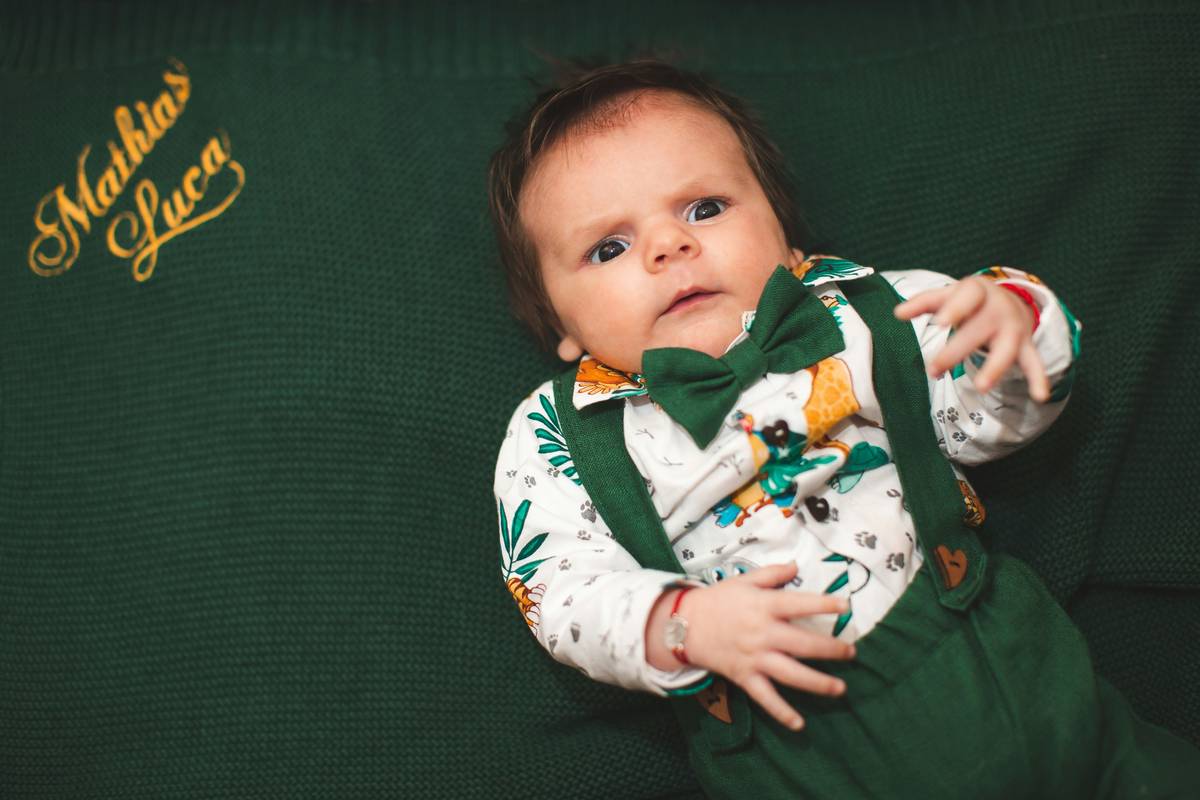
If you’ve ever stared at a rack of baby onesies wondering which ones actually live up to their “eco-friendly” label, you’re not alone. As new parents scramble to make planet-conscious choices, the market floods with greenwashed babywear that looks sustainable but falls short on ethics, materials, or durability. That’s where green baby jojo ability comes in—not as a mystical superpower, but as your practical compass for choosing truly organic cotton baby onesies that protect both your little one and the planet.
Table of Contents
- Why Green Baby Jojo Ability Matters in Sustainable Parenting
- How to Choose Organic Cotton Onesies Step by Step
- 5 Best Practices for Eco-Conscious Babywear
- Real Results: What Happens When You Get It Right
- Frequently Asked Questions
Key Takeaways
- “Organic” isn’t always enough—certifications like GOTS matter more than marketing fluff.
- The term green baby jojo ability represents informed choice, not just trendy labels.
- Washing new onesies before use removes residual dyes and finishes—even on “natural” fabrics.
- Investing in quality organic cotton reduces long-term waste and skin irritation risks.
Why Green Baby Jojo Ability Matters in Sustainable Parenting
Baby skin is up to five times thinner than adult skin, making it incredibly sensitive to chemicals used in conventional cotton farming—like glyphosate and synthetic dyes. Conventional cotton uses 16% of the world’s insecticides despite occupying just 2.4% of global cropland, according to the Soil Association. Meanwhile, certified organic cotton prohibits these toxins, uses 91% less water, and supports fair labor practices.
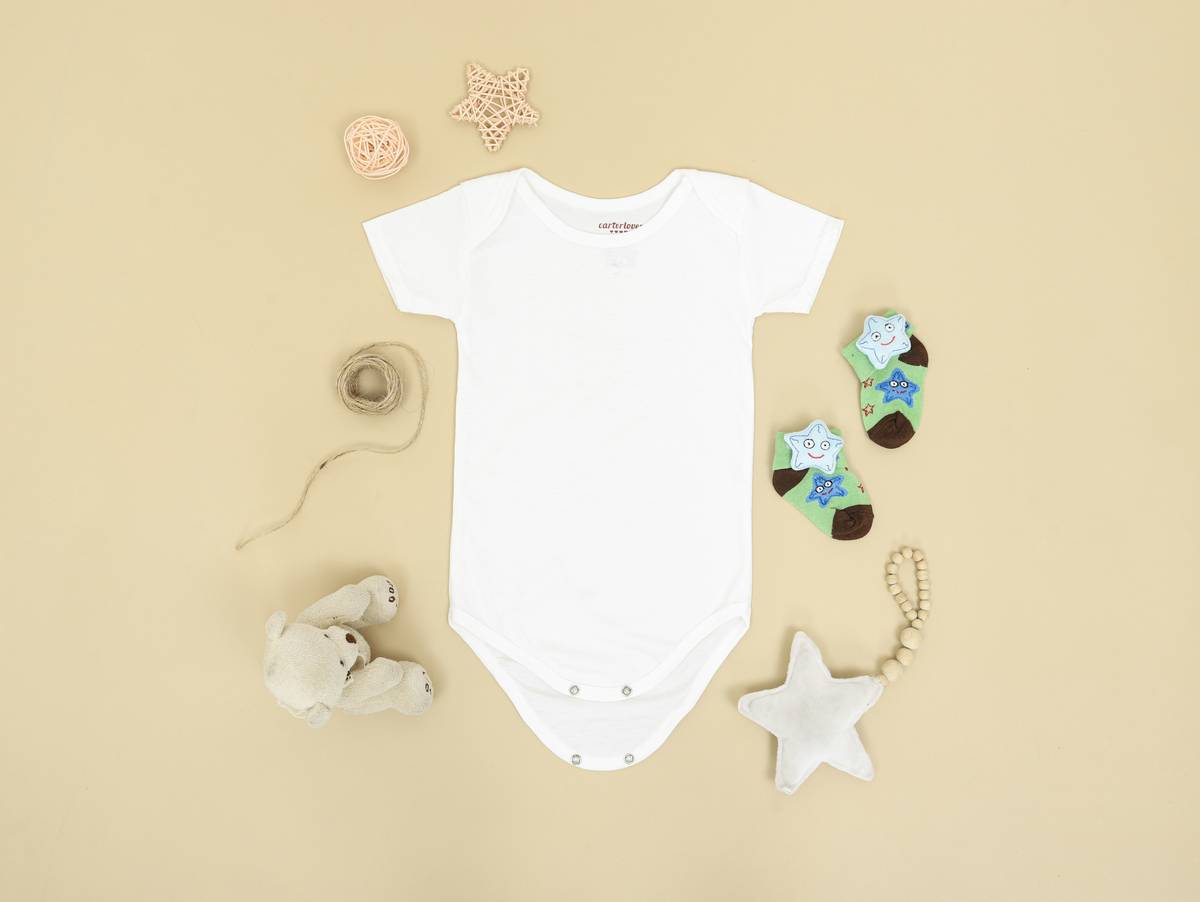
I learned this the hard way when my first “eco” onesie caused a rash within hours. Turns out, it was labeled “natural” but lacked any third-party verification. That mistake cost me sleepless nights—and taught me that green baby jojo ability means digging deeper than packaging claims.
How to Choose Organic Cotton Onesies Step by Step
1. Verify Certification
Look for Global Organic Textile Standard (GOTS) or OEKO-TEX® STANDARD 100 logos. These ensure no toxic residues and ethical production. A simple “made with organic cotton” claim? Not enough.
2. Check Fiber Content
True organic cotton onesies should be 95–100% organic cotton. Blends with polyester undermine sustainability—even if labeled “recycled.”
3. Assess Durability
Will it survive 20+ washes? Flimsy seams and thin fabric = faster replacement = more waste. Brands practicing green baby jojo ability prioritize longevity over fast fashion cycles.
5 Best Practices for Eco-Conscious Babywear
- Wash before first use: Removes manufacturing residues, even on certified items.
- Buy slightly larger: Babies grow fast—oversizing extends wear time and reduces consumption.
- Support transparent brands: Companies sharing factory info and supply chains (like those listed on Good On You) align with real sustainability.
- Avoid “bamboo” mislabeling: Most “bamboo” fabric is actually rayon—a chemically intensive process. Stick with verified organic cotton.
- Recycle or resell: When outgrown, pass them on. True green baby jojo ability includes end-of-life responsibility.
Real Results: What Happens When You Get It Right
A 2023 study published in Environmental Science & Technology found infants wearing GOTS-certified clothing had significantly lower levels of pesticide metabolites in urine compared to peers in conventional garments. Beyond health, families report fewer skin irritations, longer garment life, and peace of mind knowing their choices support regenerative agriculture.
At Bluegrass Survival, we embody this ethos through every recommendation. Our team’s hands-on testing—documented on our About Us page—ensures only rigorously vetted products earn a spot in our guides. And if you’re unsure about a brand’s claims? Reach out—we’ll help you decode the labels.
Frequently Asked Questions
Are organic cotton baby onesies worth the higher price?
Yes—when certified. You’re paying for toxin-free materials, ethical labor, and durability that often outlasts cheaper alternatives, reducing long-term costs and environmental impact.
What’s the difference between “organic” and “green baby jojo ability”?
“Organic” refers to the fiber source; green baby jojo ability encompasses the full lifecycle—certification, ethics, durability, and responsible disposal.
Can I trust store-brand “eco” lines?
Only if they display GOTS or OEKO-TEX® certification. Many retailers use vague terms like “conscious” without verification—always check the fine print.
How do I care for organic cotton onesies?
Wash in cold water with mild, plant-based detergent. Avoid bleach and fabric softeners—they degrade fibers and introduce toxins. Air-dry when possible to extend lifespan.
Does color affect sustainability?
Yes. Natural or low-impact dyes are preferable. Bright neons often require heavy metals. Opt for undyed or earth-tone options when possible.
Where can I learn more about brand transparency?
Explore independent resources like the EPA’s Safer Choice Program or Good On You’s brand ratings. Always review a site’s Privacy Policy before sharing personal data.
Choosing baby clothes shouldn’t feel like decoding hieroglyphics. With genuine green baby jojo ability, you swap confusion for confidence—one soft, safe onesie at a time. Ready to build a truly sustainable nursery? Contact us for personalized recommendations.